DKTK is one of the eight German Centers for Health Research and connects DKFZ with partner university sites throughout Germany. Its goal is to translate findings from cancer research more quickly into innovative diagnostic and therapeutic approaches for patients.
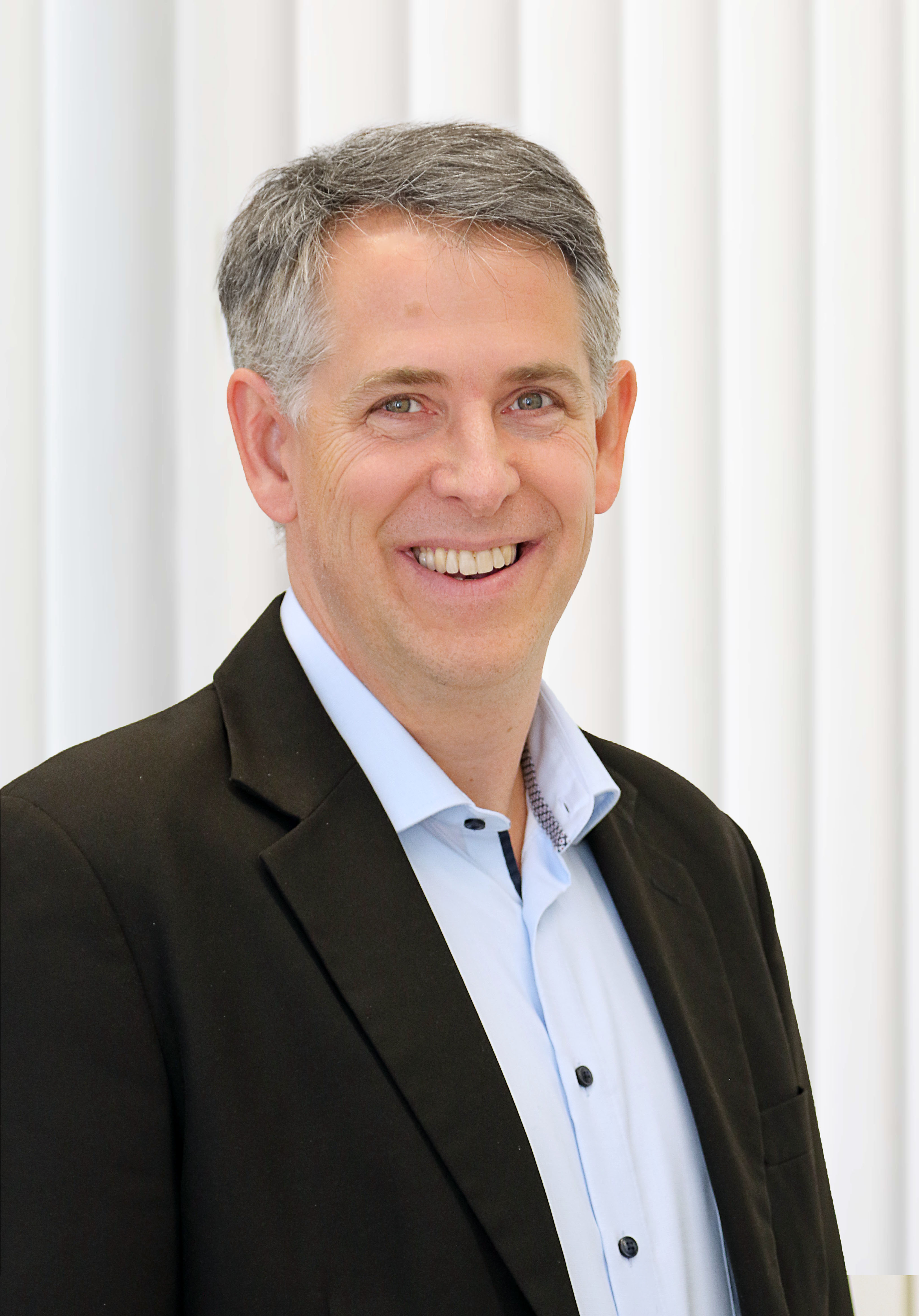
“DKTK is a prime example of the successful translation of basic research into innovations for patients,” says Stefan Pfister. “I am very much looking forward to working with our partner sites to further advance translational cancer research and knowledge transfer, thereby making innovative, data-driven, and personalized approaches available even faster to patients in Germany and beyond.”
Pfister is one of the world’s leading experts in the field of pediatric oncology and precision oncology. Under his leadership, numerous national and international research initiatives have been established to advance new molecular diagnostic methods and innovative therapies for cancer.
Michael Baumann had served as spokesperson since 2016. During this time, DKTK developed into a central platform for translational cancer research in Germany. Under his leadership, cross-site research programs were expanded, shared infrastructures were created, and new preclinical study initiatives were established.
“I am delighted that Stefan Pfister, a scholar of outstanding scientific caliber, is taking on the role of spokesperson, which will provide new impetus for the next phase of DKTK’s development,” explains Baumann. “The past ten years have impressively demonstrated how effective the close collaboration between non-university research at DKFZ and other institutions and university-based medicine at leading university hospitals can be. Through the synergy between preparatory preclinical work at DKTK and its translation into early-stage, academically driven clinical trials at the National Center for Tumor Diseases (NCT), we are able to cover the entire translational continuum in the field of cancer research in Germany.”
Melanie Börries, Director of the Institute of Medical Bioinformatics and Systems Medicine at the University Medical Center Freiburg, has served as Deputy Spokesperson for the DKTK since 2025.
In the new funding period, the DKTK aims to further strengthen its activities, particularly in the areas of precision oncology, prevention, data science, preclinical translation, and technology transfer. The goal is to translate research findings even more quickly into clinical trials and innovations for cancer patients.
About DKTK
Promising new findings from cancer research should be translated into clinical development and application as quickly as possible. To support this goal, the German Consortium for Translational Cancer Research (DKTK) was founded in 2012 as one of the German Centers for Health Research (DZG). With the German Cancer Research Center (DKFZ) as its core center, more than 20 academic research institutions and university hospitals collaborate in translational centers at the eight partner sites in Freiburg, Munich, Tübingen, Heidelberg, Frankfurt/Mainz, Essen/Düsseldorf, Dresden, and Berlin.